What Plumbing Contractors Want You to Know About Water Heater Replacement
Dealing with an aging water heater often feels stressful, especially when cold water catches you by surprise during a morning shower. Hot water remains essential for daily household activities like cooking and bathing. When your equipment begins to struggle, taking time to learn about replacement options helps you make practical choices for your home. Working with experienced plumbing contractors ensures that your new system provides reliable hot water.
Recognizing when your equipment needs attention allows you to plan an upgrade before a sudden breakdown occurs. Proactive planning helps you avoid emergencies and gives you time to choose the right model for your family.
Evaluating System Lifespans
Every water heating unit comes with an operational lifespan based on daily usage and maintenance care. Traditional storage units usually perform well for eight to twelve years before major components begin to wear down. Understanding the age of your unit helps you prepare for a replacement before severe leaks develop.
According to HomeGuide, replacing a water heater is recommended when it is more than 10 years old or when repair costs exceed 50% of the replacement cost. Keeping track of maintenance records and equipment age allows you to make informed financial decisions. Replacing an outdated unit prevents unexpected flooding and keeps utility bills manageable.
Identifying Early Warning Signs
Spotting physical wear early prevents unexpected failures and water damage in your home. Inconsistent water temperatures often point to failing heating elements or heavy sediment buildup inside the tank. Hearing loud popping or rumbling sounds during a heating cycle signals that mineral deposits are settling along the bottom.
Visual clues also reveal when your equipment requires attention. Finding discolored water coming from hot water taps indicates internal corrosion. Active water pooling around the base of the tank means the internal lining has cracked.
Assessing Repair Costs
Weighing the cost of ongoing repairs against a full replacement helps protect your household budget. Frequent service calls for minor issues can quickly add up to a significant financial burden over time. Investing money into an aging tank that is approaching the end of its useful life often proves inefficient.
When a major component fails on an older unit, choosing a replacement unit offers long-term reliability. New equipment runs smoothly, requiring fewer service visits and providing consistent temperature control. Evaluating long-term value helps you choose the right path forward.
Exploring Water Heater Options
Traditional tank units store and heat a fixed volume of water inside an insulated reservoir. These systems keep hot water ready for immediate use across multiple household fixtures simultaneously. Their familiar design and straightforward installation make them a popular choice for many homeowners.
Selecting the proper tank size depends on your family size. Larger households require bigger tanks to handle morning showers without running out of hot water. Professional plumbing contractors help you calculate your peak water usage to ensure your new tank meets your daily needs.
Selecting Tankless Systems
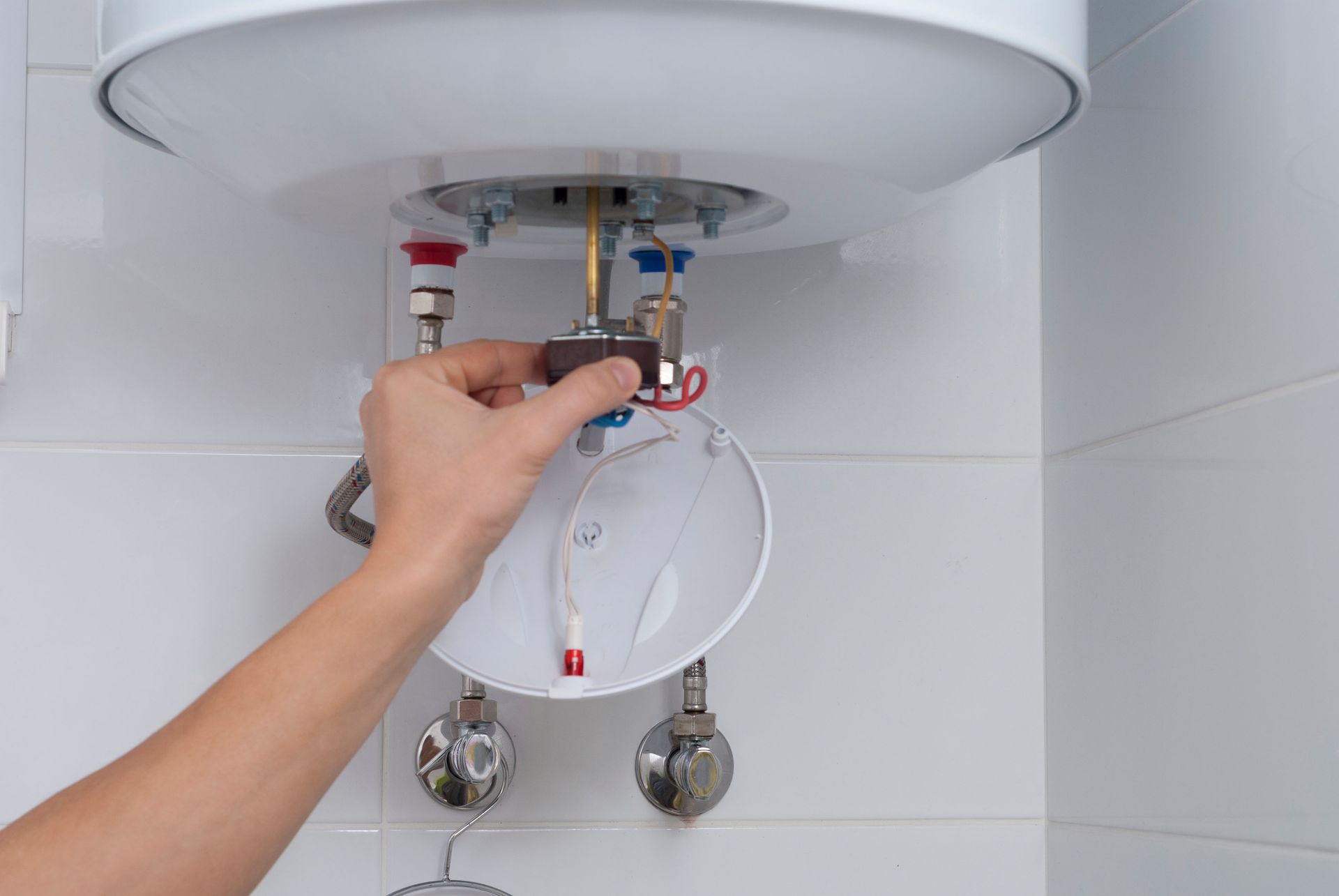
Tankless units heat water directly on demand as it flows through the heating elements. Because these systems do not maintain a standing reservoir of heated water, they take up significantly less physical space in your home. Wall-mounted units fit easily inside utility rooms or tight basements.
On-demand heating delivers a continuous supply of hot water for household chores. These compact units reduce standby energy losses since they only operate when a hot water tap is turned on. Choosing a tankless setup provides convenient performance for busy households.
Matching Household Demands
Selecting the right equipment requires evaluating your home's layout. Fuel sources like gas or electricity influence operating costs. Reviewing water demands ensures that your new equipment delivers consistent performance.
Professional installers assess your existing plumbing lines and venting paths during a site visit. They help you compare different models, so you select a system that fits your budget. Matching equipment capacity to your lifestyle prevents running out of hot water during peak hours.
Preparing for System Installation
Understanding the full financial picture helps you budget effectively for a new water heater installation. Total costs include the equipment purchase price and professional labor fees. Factoring in necessary piping adjustments or venting updates prevents financial surprises on installation day.
Removing your old water tank involves minor service charges. Discussing all potential costs with your installer upfront keeps your project within your target budget.
Hiring Plumbing Contractors
Partnering with licensed plumbing contractors ensures that your new water heater is installed safely and correctly. Skilled technicians understand local building codes and proper piping connections. Professional installation protects your home against dangerous gas leaks and water damage.
Experienced installers bring technical knowledge to handle complex connections efficiently. They verify that all safety valves function properly before completing the job. Working with qualified professionals gives you complete confidence in your new equipment.
Navigating Installation Day
Preparing your home for installation day makes the process faster for the installation crew. Clearing a path to your water heater allows workers to move heavy equipment safely. Turning off the main water supply prepares the area for quick removal of the old unit.
During installation, the crew removes the old unit and secures all plumbing lines. After connecting the unit, technicians fill the tank and check for leaks. Professional plumbing contractors test every safety valve before reviewing basic operating instructions with you.
Maintaining Your New Investment
Performing routine maintenance extends the operational lifespan of your new water heater significantly. Draining and flushing the tank once a year removes accumulated mineral sediment from the bottom. Preventing sediment buildup keeps heating elements working efficiently and protects the internal steel lining.
Flushing the system is a simple process that requires connecting a hose to the drain valve at the base of the unit. Allowing water to flow until it runs clear removes loose scale and mineral debris. Regular flushing maintains quiet operation and preserves equipment heating performance.
Testing the Pressure Valve
Inspecting the temperature and pressure relief valve is a critical safety task for every homeowner. This valve releases excess pressure or steam if internal tank conditions become unsafe. Testing the valve annually ensures that the safety mechanism operates smoothly without sticking.
Lifting the test lever should release a small discharge of water into the drain pipe. If the valve continues to drip, it requires replacement. Keeping this safety feature in good working order protects your home and equipment.
Checking System Components
Inspecting external pipes and insulation jackets helps catch minor wear early. Checking the sacrificial anode rod every few years prevents internal tank corrosion. The anode rod attracts corrosive elements in the water, protecting the steel tank lining from rusting.
Replacing a worn anode rod is a cost-effective way to add years of service life to your water heater. Inspecting water lines for small drips prevents slow leaks from damaging floorboards. Routine visual checks help your equipment operate smoothly.
Investing in a new water heater improves daily home comfort and protects your property from leaks. From selecting the right equipment size to completing safe installation, professional care makes a noticeable difference. Working alongside licensed plumbing contractors ensures that your equipment runs efficiently and complies with all safety codes.
When you need dependable water heater replacement or routine plumbing care, working with the team at Ed's Plumbing Corporation brings practical knowledge and dedicated craftsmanship to every job. To discuss your water heater needs or schedule an appointment for your home, contact Ed's Plumbing Corporation today.




Share On: